

the Sikh turban
Dastar - The Sikh Crown
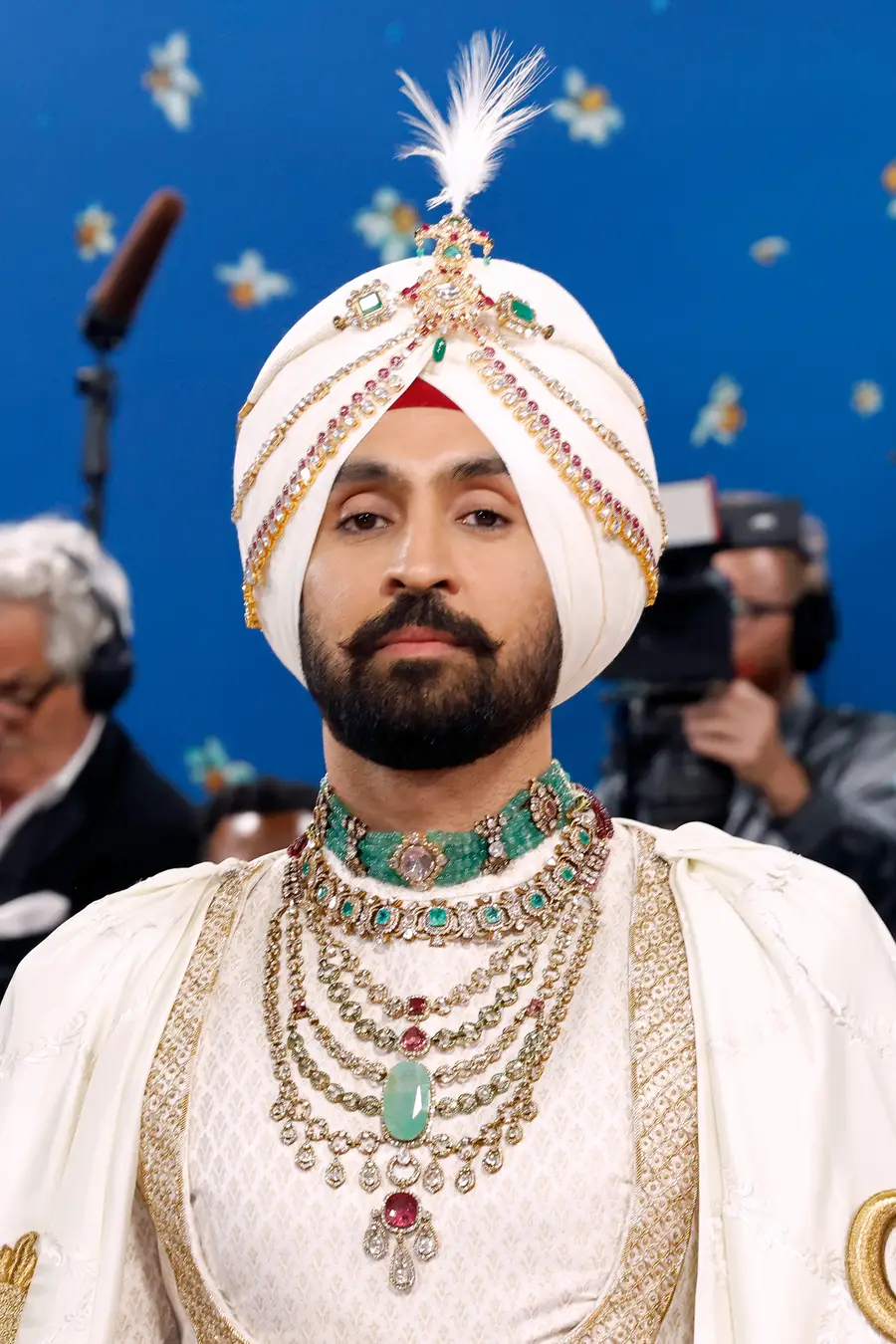
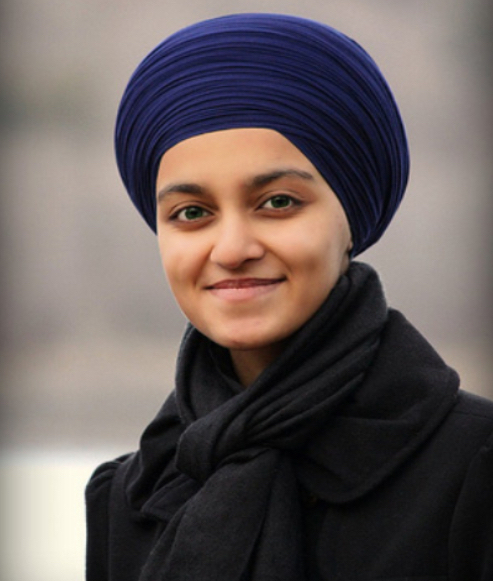

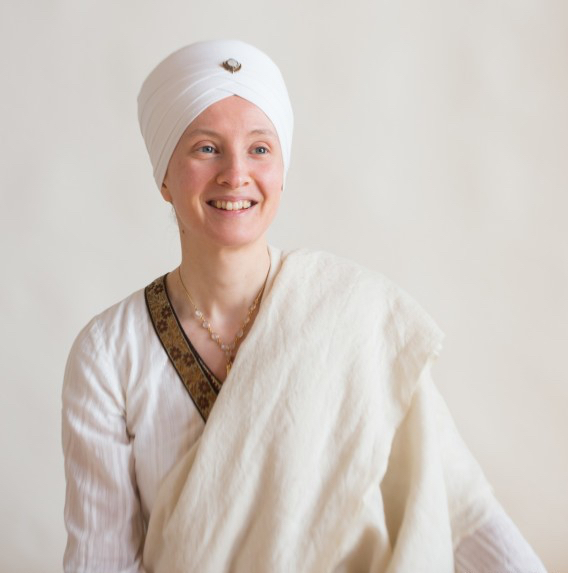
Quick facts
| Punjabi name | Dastaar |
| Also known as | Pagg, Pagri, Parna |
| Mandatory for | All baptised Sikhs (Khalsa) — men and women |
| Reason worn | Love and obedience to the wishes of the Sikh Gurus |
| First worn by | Guru Nanak Dev Ji and all subsequent Sikh Gurus |
| Part of | The Five Ks (Panj Kakaar) — specifically related to Kesh |
what is Dastar
The Dastar — the Sikh turban — is an article of faith that the founders of Sikhism made mandatory. It is not merely cultural paraphernalia. When a Sikh man or woman ties a turban, it ceases to be a piece of cloth and becomes one with the Sikh’s very identity.
Furthermore, the turban and the other articles of faith carry immense spiritual and temporal significance. The reason all practising Sikhs wear the turban is simple — out of love and obedience to the wishes of the Sikh Gurus.
The turban has been central to Sikh tradition since the time of Guru Nanak Dev Ji. Historical accounts confirm that all Sikh Gurus wore turbans, and their followers have done the same since the founding of the faith. Guru Nanak Dev Ji →
SYMBOLISM AT A GLANCE
| What It Represents | What It Means for a Sikh |
|---|---|
| Sovereignty | A crown of divine concession — the right to spiritual and earthly sovereignty granted by the will of God, as authenticated by the Guru. |
| Dedication | A mark of total commitment to the Sikh Gurus and their teachings, worn every day without exception as an outward declaration of faith. |
| Self-Respect | Born from Guru Nanak’s mission to uplift the downtrodden — the turban was once reserved for kings; now every Sikh wears one as an equal. |
| Courage | A symbol tested under persecution. Sikhs chose death over removing their turbans under tyrannical regimes throughout history. |
| Piety | A constant spiritual reminder that the wearer is an instrument of the Guru and a servant of the Divine Presence. |
| Accountability | Since the turban-wearing Sikh represents the Guru, their actions reflect on the Guru and the entire Sikh nation. |
| Identity | Instantly recognisable — the turban proclaims the wearer as a follower of Guru Nanak and a member of the Sikh community worldwide. |
HISTORICAL ROOTS
The Turban Across Cultures & ReligionsThe turban’s importance can be found in just about every culture and religion — from the ancient Babylonians to western religions such as Judaism, Christianity and Islam, as well as eastern traditions. It has long been a mark of royalty, holiness and honour across civilisations.
Old Testament
Leviticus 8:9
He put the turban upon his head and set the gold rosette as symbol of holy dedication on the front of the turban as the Lord had commanded him.
Old Testament
Exodus 29:6
Set the turban on his head and the symbol of holy dedication on the turban. Take the anointing oil, pour it on his head and anoint him.
Prophet Mohammed
Hadith
The turban is a frontier between faith and unbelief — a true mark of sovereignty and a crown.
Guru Nanak
Guru Granth Sahib
Nanak seeks the company of the lowest of the low class, the very lowest of the low. Where the lowly are cared for, there lies the Grace of the Merciful Bestower.
Sirdar Kapur Singh
Theologian, 1989
The Sikhs’ right to earthly sovereignty is based on the Will of God as authenticated by the Guru, and therefore, other inferior sanctions are unnecessary.
Turban In Punjab
Since ancient times, the turban has carried great importance in Punjab — the land of the five rivers and the birthplace of Sikhism. Historically, only kings, royalty and those of high social standing wore turbans. Two people would exchange turbans as a powerful gesture of love and friendship.
At the time Sikhism was founded, the majority of people in India belonged to the lower castes — mainly peasants, labourers and servants. Many faced severe mistreatment at the hands of the upper castes. Consequently, the Sikh Gurus worked actively to end all caste distinctions, opposing social stratification in every form and striving to build an egalitarian society founded on justice and equality.
THE TURBAN & EQUALITY
The Sikh Gurus sought to uplift the downtrodden and make them the equals of the highest in society. By giving the turban to all Sikhs regardless of social standing, the Gurus declared that every Sikh was a king or queen in their own right. The turban is a gift of love from the founders of the faith — a symbol of sovereignty granted by divine will.
Additionally, the turban marks a Sikh’s commitment to the Gurus. It distinguishes the wearer as an instrument of the Guru, accountable for specific spiritual and temporal duties. It proclaims that the Sikh is a servant of the Divine Presence — and wearing it brings great inner strength.
“Nanak seeks the company of the lowest of the low class, the very lowest of the low. Why should he try to compete with the great? Where the lowly are cared for, there lies the Grace of the Merciful Bestower.”
— Guru Nanak, Guru Granth Sahib
THE RESPONSIBILITY
With the turban comes great responsibility. A Sikh’s actions are no longer tied to them alone — because Sikhs who wear the turban represent the Guru, their conduct reflects on the Guru and the entire Sikh nation.
In this way, the turban deepens a Sikh’s commitment and encourages greater discipline and virtue. It proclaims the followers of Guru Nanak as Sikhs — yet it is not what makes them Sikhs. That comes from within. Wherever Sikhs carry this gift of the Guru, their attitudes and character are shaped by it — they bear a constant responsibility to represent the Guru with honour and dignity.
THE TURBAN UNDER PERSECUTION
Because of its distinctive nature, the turban has often become a target during times of persecution. There have been periods in Sikh history when wearing a turban was reason enough for tyrannical regimes to take a Sikh’s life.
It is in times of adversity that faith is truly tested. By wearing the turban, Sikhs serve as ambassadors of their faith and commit outwardly to the path the Sikh Gurus laid down. As Sikhs tie their turbans each day, they remember that it represents a real and living commitment — a declaration that they will stand firm against tyranny and protect the downtrodden, as every Sikh is called to do.
THE STORY OF THE TURBAN
The Khalsa
The Dastar is central to Khalsa identity - learn about the Five Ks and what it means to be an initiated Sikh.
Read More →Dastar Bandi
The Sikh turban-tying ceremony - a sacred milestone in a young Sikh's life.
Read More →