

FIVE TAKHATS
The Supreme Seats of Sikh Temporal & Spiritual AuthorityTakhat — Sanskrit for ‘throne’ or ‘seat of authority’
The Five Takhats are the supreme seats of temporal power and religious authority in Sikhism. The leadership of each Takhat makes Gurmat decisions and proclamations on both secular and spiritual matters of significant concern to the Sikh community worldwide.
Together, the Five Takhats represent the highest institutional authority in Sikhism. Decisions made at the Takhats — particularly at Sri Akal Takhat Sahib, the foremost seat — bind all Sikhs worldwide. Furthermore, each Takhat associates with a sacred event or person from Sikh history, making them places of profound pilgrimage and deep reverence.
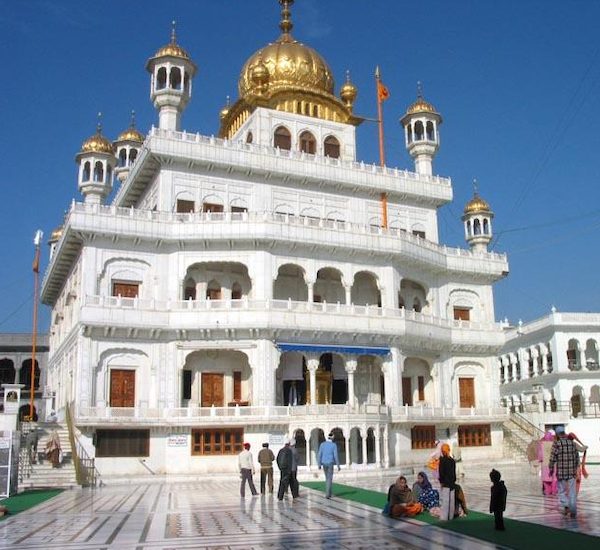
SRI AKAL TAkHAT SAHIB
Sri Akal Takhat Sahib in Amritsar, Punjab, is the foremost seat of Sikh temporal and spiritual authority. Situated inside the Golden Temple complex opposite Darbar Harmandir Sahib, Guru Hargobind Sahib Ji — the sixth Guru — established it in 1606 as a symbol of political sovereignty and a place where the Sikh community could address both spiritual and worldly concerns.
In the 18th century, Ahmed Shah Abdali led a series of attacks on the Akal Takhat and Harmandir Sahib. Subsequently, Hari Singh Nalwa, a general of Maharaja Ranjit Singh, adorned the Akal Takhat with gold. The Guru Granth Sahib rests at the Akal Takhat after hours in Sukhasan, and the premises also preserve ancient sacred manuscripts and antique weapons belonging to the Sikh Gurus and warriors. Read More →
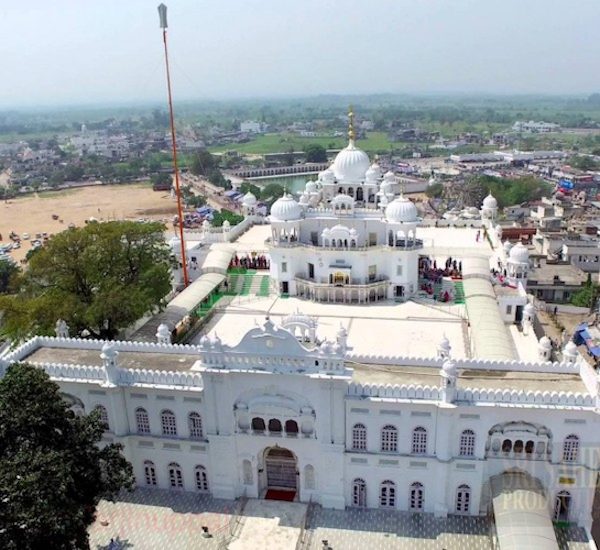
SRI KESGARH SAHIB
Takhat Sri Kesgarh Sahib stands at Anandpur Sahib in District Roopnagar, Punjab, on the banks of the River Sutlej. Guru Tegh Bahadur Ji — the ninth Guru — originally purchased this land, which became known as Chak Nanki before taking the name Anandpur Sahib. It is the birthplace of the Khalsa nation.
After the Mughal Emperor Aurangzeb ordered the martyrdom of Guru Tegh Bahadur Ji, Bhai Jaita delivered the Guru’s sacred head to his son, Guru Gobind Rai, at Chak Nanki — declaring that this ground would become the founding place of the Panth. On Vaisakhi, 14 April 1699, the tenth Guru called for volunteers willing to sacrifice their heads. The five men who stepped forward became the beloved Panj Pyare, and Guru Gobind Singh Ji administered Amrit to them, founding the Khalsa. The Guru spent 25 years at Anandpur Sahib before the siege of 1705 forced him to depart. Read More →
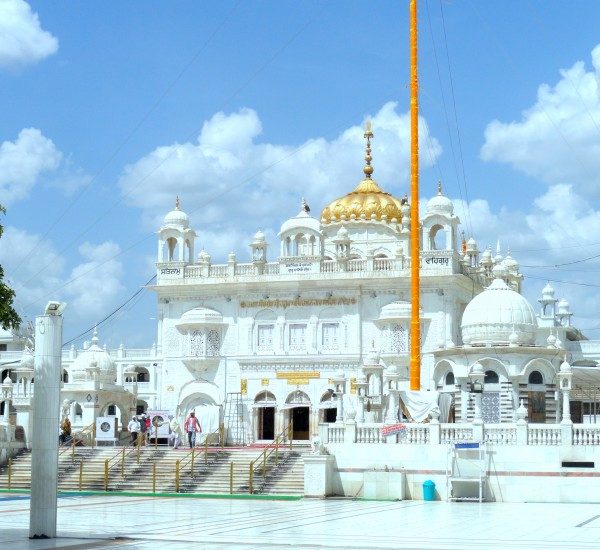
SRI HAZUR SAHIB
Takhat Sri Hazur Sahib — also known as Sach Khand Abchal Nagar — stands on the banks of the River Godavari at Nanded in Maharashtra. It marks the site of the cremation of Guru Gobind Singh Ji and the place where he held court in his final days, which his Sikhs recognised as his Takhat — his throne.
In October 1708, when a reopened wound made it clear Guru Gobind Singh Ji would not survive an earlier assassination attempt, he declared the Guru Granth Sahib his eternal successor. Maharaja Ranjit Singh constructed the present structure between 1832 and 1837. The Takhat houses both the Guru Granth Sahib and the Dasam Granth, along with sacred relics of the tenth Guru. A resolution passed in 1956 gave legal rights to the Gurdwara management committee. Read More →
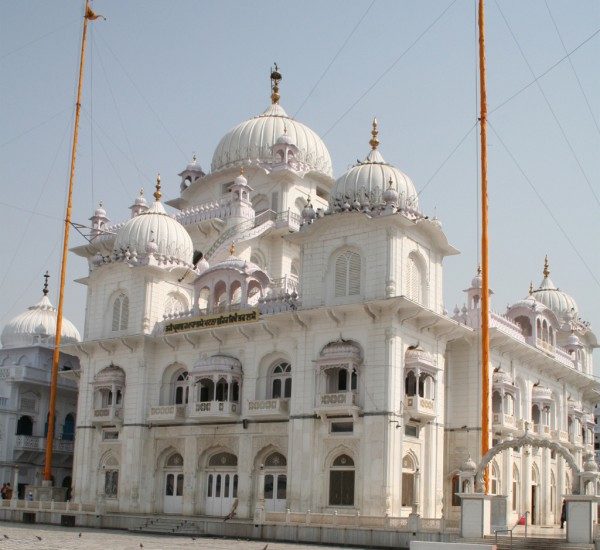
SRI PATNA SAHIB
Takhat Sri Harmandir Sahib at Patna in Bihar stands on the banks of the River Ganges and marks the birthplace of Prince Gobind Rai, who became the tenth Guru, Guru Gobind Singh Ji. Patna holds deep significance as a site the Gurus visited across the centuries. Guru Nanak Dev Ji paused here on his way to Gaya, and Guru Tegh Bahadur Ji housed his family here during a missionary tour — it was in Patna that Mata Gujri Ji gave birth to the future Guru.
The original dharamsala structure that served as the Takhat fell to fire in the 1800s. Maharaja Ranjit Singh began reconstruction in 1839 but did not live to see it completed. An earthquake damaged parts of the shrine in 1934. Construction of the present-day Takhat Sri Harmandir Sahib began in November 1954 and reached completion in 1960. Read More →
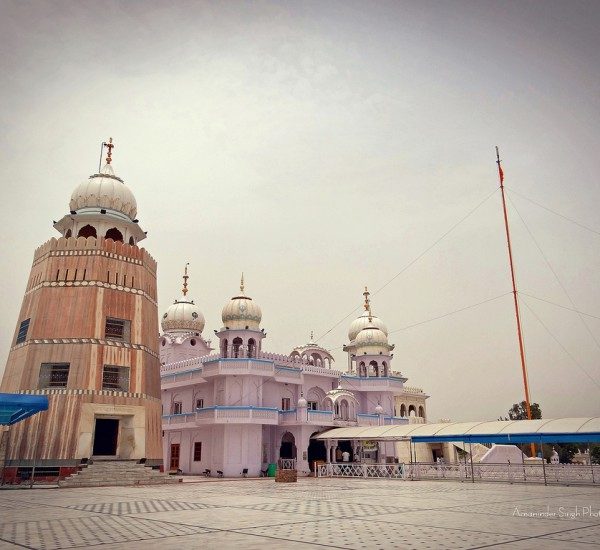
SRI DAMDAMA SAHIB
Takhat Sri Damdama Sahib — also known as Guru Ki Kashi, the Banaras of the Sikhs — stands at Talwandi Sabo near Bathinda in Punjab. It commemorates the completion of the Guru Granth Sahib in 1705, when Guru Gobind Singh Ji dictated the final scripture to his scribe Bhai Mani Singh. The Guru came here following the martyrdom of his mother and his four sons, the Char Sahibzade. Baba Deep Singh became head scribe at Damdama Sahib and produced copies of the Guru Granth Sahib for distribution to all five Takhats.
The Shiromani Gurdwara Parbandhak Committee (SGPC) formally declared Damdama Sahib the fifth seat of temporal power through Resolution No. 789 on 30 July 1966. The Indian government subsequently recognised this declaration in April 1999 during the tricentennial Vaisakhi celebrations marking the birth of the Khalsa. Read More →
THE SGPC — GUARDIAN OF THE TAKHATS
The Shiromani Gurdwara Parbandhak Committee (SGPC), based in Amritsar, is the elected body responsible for managing the Takhats and historic Gurdwaras in Punjab, Haryana and Himachal Pradesh. The SGPC came into existence in 1920 following the Gurdwara Reform Movement, which sought to reclaim Sikh shrines from hereditary mahants who had allowed corrupt practices to develop.
Sikhs often describe the SGPC as the ‘mini parliament of the Sikhs’. It issues guidelines on Sikh religious practice, and the Akal Takhat’s Jathedar (head priest) speaks as the supreme religious voice of the Sikh faith on major issues. Consequently, decisions of the SGPC and pronouncements of the Akal Takhat are binding on the global Sikh community.
PILGRIMAGE — VISITING THE TAKHATS
For Sikhs, visiting the Five Takhats carries great spiritual significance. The Takhats are not merely historic monuments — they are living institutions where the Guru Granth Sahib is present, daily services take place, and the Gurus’ traditions continue with the same devotion as in the Gurus’ own time.
All five Takhats welcome visitors of every faith and background. As with all Gurdwaras, visitors must remove their shoes, cover their heads, and avoid tobacco and alcohol on the premises. Additionally, the Langar — the free community kitchen — operates at each Takhat, serving everyone who arrives regardless of religion, caste or background.
Origin of Sikhism
Sikhism was founded in 15th century Punjab - explore the full historical story.
Read More →The Khalsa
Founded by Guru Gobind Singh Ji in 1699 - the order of initiated Sikhs and the Five Ks.
Read More →Guru Granth Sahib
Compiled by Guru Arjan Dev Ji in 1604 - the eternal living Guru of all Sikhs.
Read More →