
Sikh Culture

Sikh Culture

Sikh Culture

Music, Art, Language & Traditions of the Sikh People

introduction

Sikh culture is a rich and vibrant tapestry woven from centuries of spiritual devotion, artistic expression, martial tradition, and community service. Rooted in the Punjab region of South Asia — now divided between India and Pakistan — Sikh culture has spread across the globe, carried by the millions of Sikhs who have settled in the United Kingdom, Canada, the United States, Australia, and beyond. Wherever Sikhs have gone, they have brought with them their music, their language, their values, and their extraordinary tradition of feeding and serving all people regardless of background.

Sikh culture cannot be separated from Sikh spirituality — the two are deeply intertwined. The music of the Gurdwara, the art of the Guru portraits, the discipline of Gatka (the Sikh martial art), and the communal generosity of Langar all flow directly from the teachings of the ten Sikh Gurus. To understand Sikh culture is to understand a people shaped by centuries of faith, resilience, and love.

Sikh Music — Kirtan & Gurbani

Kirtan — Sacred Music of the Gurdwara

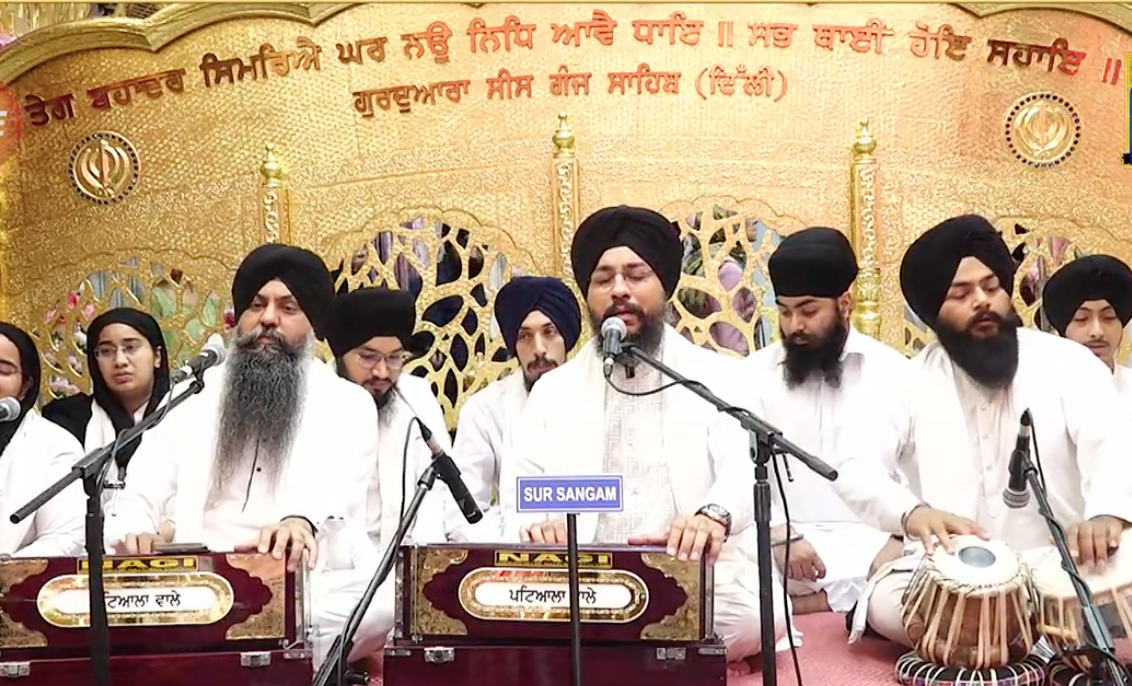
Kirtan is the singing of Gurbani — the sacred hymns of the Guru Granth Sahib — and is considered one of the highest forms of devotion in Sikhism. Guru Nanak Dev Ji himself was a poet and musician, and he traveled with his companion Bhai Mardana — a rabab player — singing hymns as a primary means of spreading his message. This tradition of devotional music has continued unbroken for over 500 years.

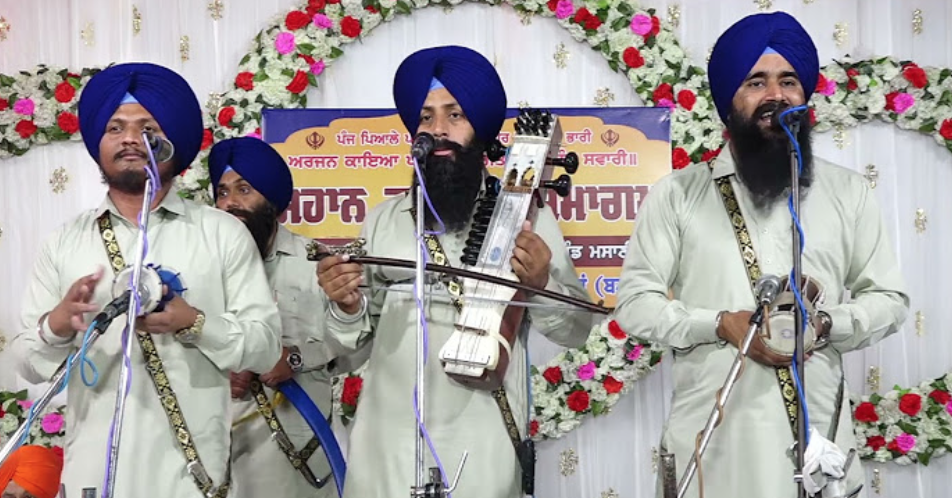
Kirtan is performed in every Gurdwara in the world, every day, without exception. Professional musicians called Ragis perform the hymns using traditional instruments including the harmonium, tabla (drum), and the traditional sarangi. The music is organized according to classical Indian ragas — specific melodic frameworks associated with different times of day and seasons — as prescribed in the Guru Granth Sahib itself.

Live Gurbani kirtan is broadcast 24 hours a day from Sri Harmandir Sahib (the Golden Temple) in Amritsar, and can be listened to from anywhere in the world. Generations of Sikhs have learned to sing kirtan from childhood, and the tradition of kirtan is passed down through families and Gurdwara communities worldwide.

Dhadi — Heroic Ballads

Dhadi is a traditional form of Punjabi folk music associated with heroic ballads — songs that celebrate the courage and sacrifice of Sikh warriors and martyrs. Dhadi performers called Dhadis travel from Gurdwara to Gurdwara performing these ballads, accompanied by the sarangi and a small double-headed drum called the dhadd. The tradition of Dhadi was patronized by Guru Hargobind Ji, the sixth Sikh Guru, who recognized the power of heroic music in inspiring courage and community pride.

Bhangra & Giddha — Folk Dance & Music

Bhangra is the traditional folk dance of the Punjab, originally performed by men during the harvest season of Vaisakhi. It is a high-energy, joyful dance characterized by vigorous movements, leaping, and the rhythmic beat of the dhol (large drum). Bhangra has become one of the most recognizable cultural exports of the Punjabi Sikh community worldwide, influencing popular music from the UK to Canada.

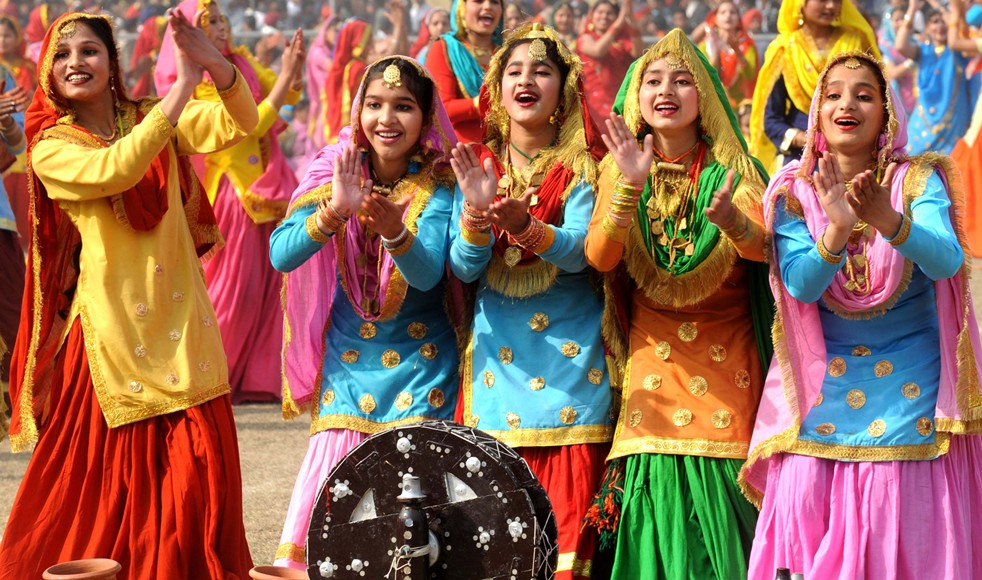
Giddha is the traditional folk dance of Punjabi women — a graceful, expressive performance that tells stories through song and gesture. Giddha is performed at celebrations, weddings, and festivals and celebrates womanhood, nature, and community life. Together, Bhangra and Giddha represent the vibrant, celebratory spirit of Punjabi Sikh culture.

Punjabi Food

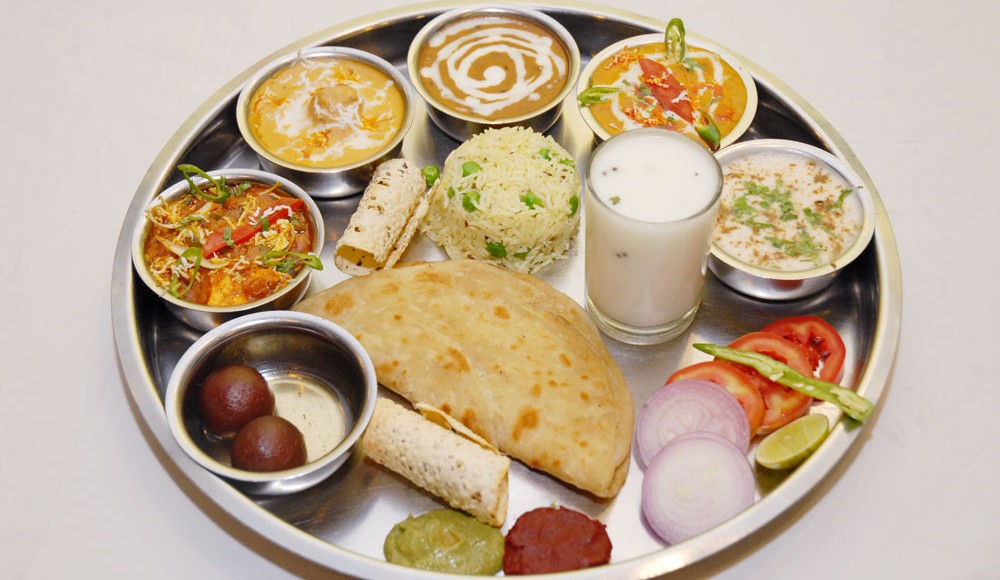
Punjabi cuisine is hearty, generous, and deeply connected to the land. Rooted in the agricultural traditions of the Punjab — one of the most fertile regions in the world — Punjabi food reflects the values of the people who created it: abundance, sharing, and the joy of eating well together.

The most iconic Punjabi dish is Sarson da Saag — slow-cooked mustard greens served with Makki di Roti, a fresh corn flatbread — eaten with a generous portion of white butter. It is winter food, farmhouse food, and to Punjabis anywhere in the world, it is the taste of home. Equally beloved is the classic combination of Chole Bhature — spiced chickpeas with deep-fried leavened bread — and the endless variety of paranthas stuffed with spiced potato, radish, or paneer, eaten with yoghurt and pickle.

Tandoori cooking — dishes prepared in a clay oven fired to intense heat — gave the world tandoori chicken, seekh kebab, and the naan bread now eaten across the globe. Dal Makhani, a slow-cooked lentil dish enriched with butter and cream, has become one of India’s most celebrated exports. Lassi — a thick, cold yoghurt drink, either sweet or salted — is the drink of the Punjab and the perfect companion to any Punjabi meal.

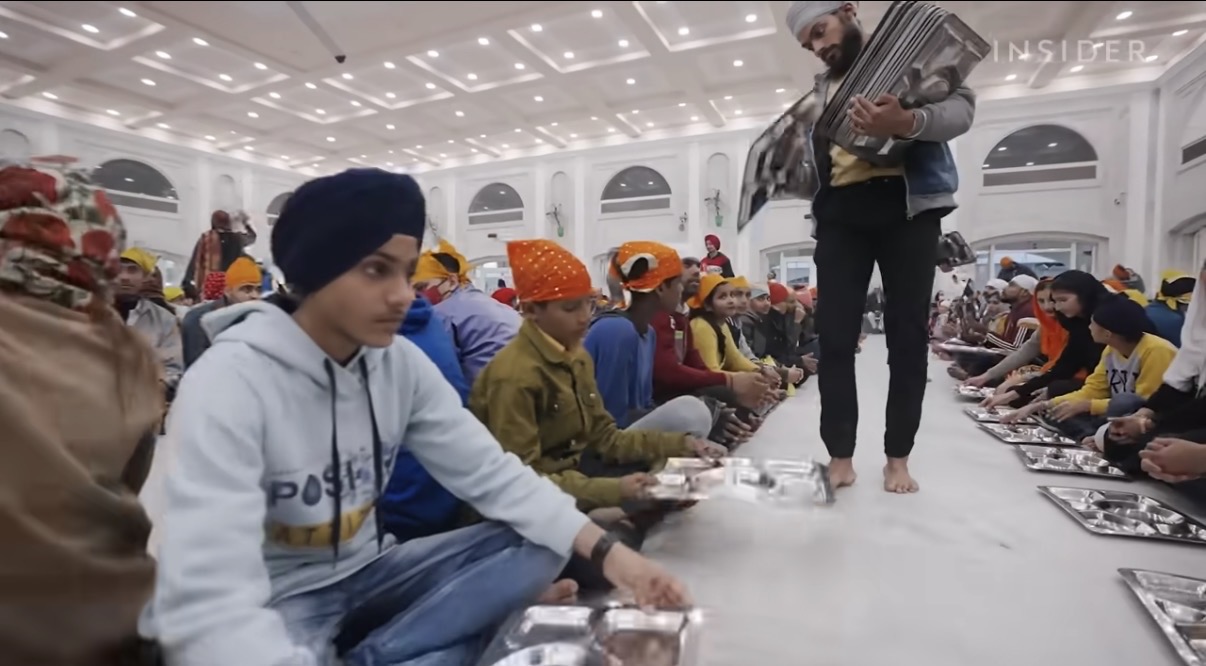
In the Gurdwara, the food of Langar — simple vegetarian dal, rice, roti and vegetables — reminds Sikhs that the most sacred meal is the one shared equally with all, regardless of who they are.

The Punjabi Language

The Punjabi language is the mother tongue of the Sikh people and one of the most widely spoken languages in the world, with over 125 million speakers globally. Punjabi is an Indo-Aryan language with a rich literary tradition stretching back centuries — it is the language of Gurbani, of Punjabi poetry, of folk songs, and of everyday life in the Punjab.

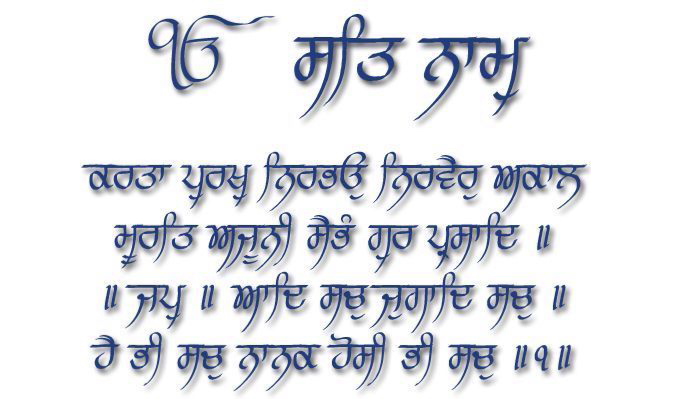
The Gurmukhi script — meaning “from the mouth of the Guru” — is the alphabet used to write Punjabi in the Sikh tradition and is the script in which the Guru Granth Sahib is written. Gurmukhi was standardized by Guru Angad Dev Ji, the second Sikh Guru, in the 16th century. Learning to read Gurmukhi is considered an important part of a Sikh education, as it allows direct access to the sacred scriptures without translation

Sikh Art & Architecture

Traditional Sikh Painting

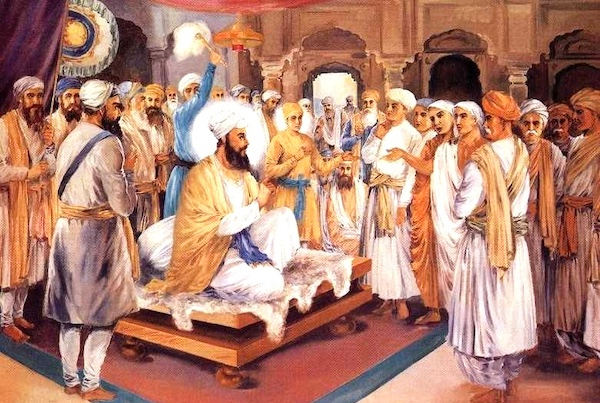
Traditional Sikh art developed primarily around the depiction of the ten Gurus and scenes from Sikh history and scripture. The Pahari painting tradition of the Punjab Hills produced some of the most beautiful and spiritually significant Sikh artwork, characterized by rich colors, intricate detail, and a deep reverence for the subjects depicted.

Sikh portraits of the Gurus are found in Gurdwaras, homes, and community centers worldwide. These paintings follow established conventions — each Guru is depicted with a halo, specific colors, and symbolic items associated with their life and teachings. The Guru Granth Sahib is often depicted on a decorated throne (Takht) with a Chauri (ceremonial fly whisk) being waved over it — symbolizing its status as the living Guru.

Gurdwara Architecture

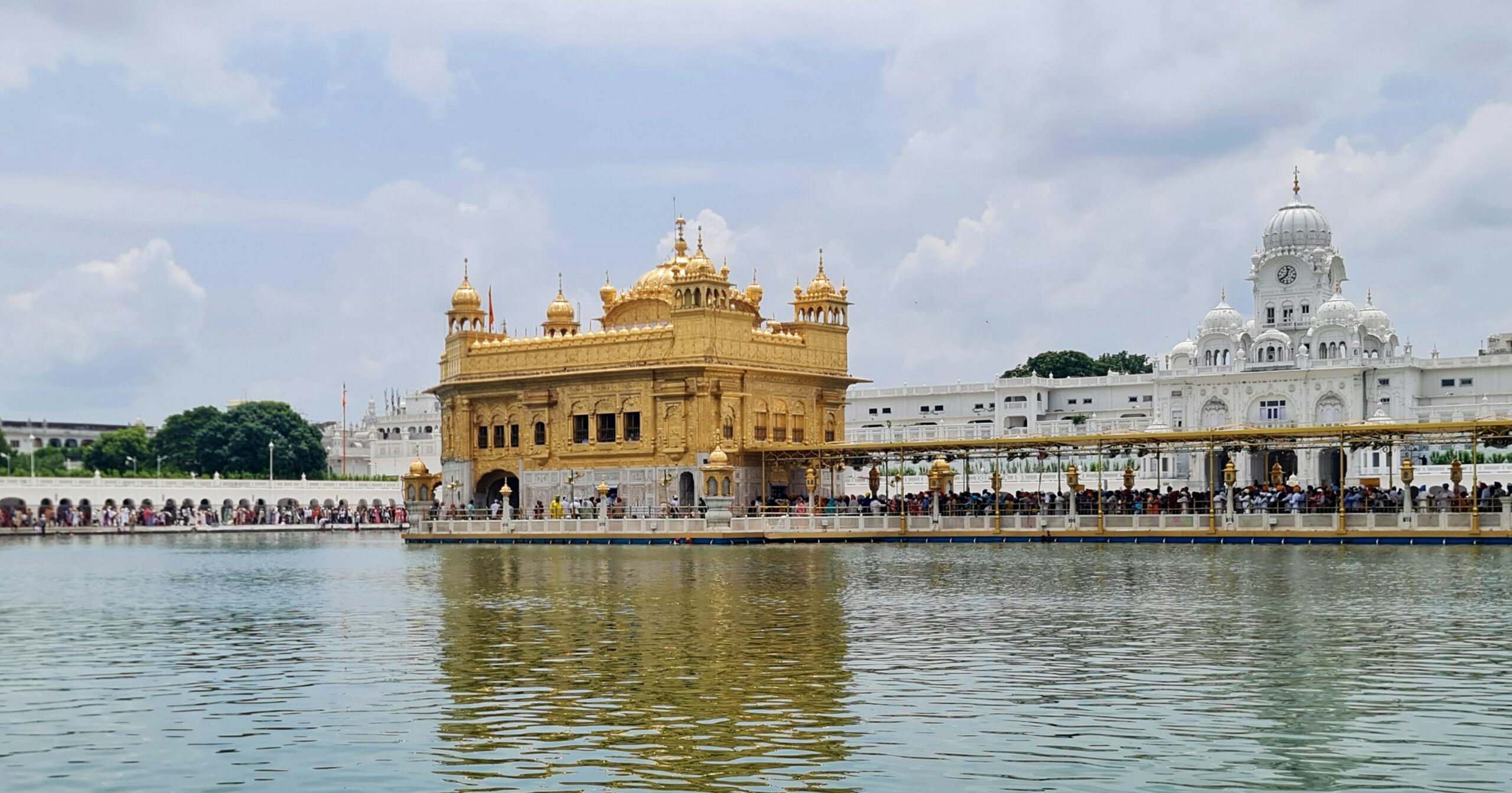
Sikh architecture reached its highest expression in the design of the Gurdwara — the Sikh place of worship. The most magnificent example is Sri Harmandir Sahib (the Golden Temple) in Amritsar, built by Guru Arjan Dev Ji in the late 16th century. The Golden Temple is built on a platform in the middle of a sacred pool, and its upper floors are covered in gold leaf — a symbol of the glory of the divine.

Sikh Gurdwaras are characterized by several architectural features: the Nishan Sahib (the Sikh flag flying above the building), the Langar hall (the community kitchen), and a prayer hall where the Guru Granth Sahib is installed on a raised throne. Gurdwara architecture blends Mughal, Rajput, and indigenous Punjabi styles into a distinctive aesthetic that is immediately recognizable worldwide.

Gatka — The Sikh Martial Art

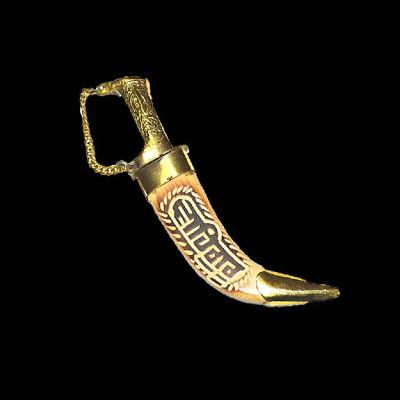
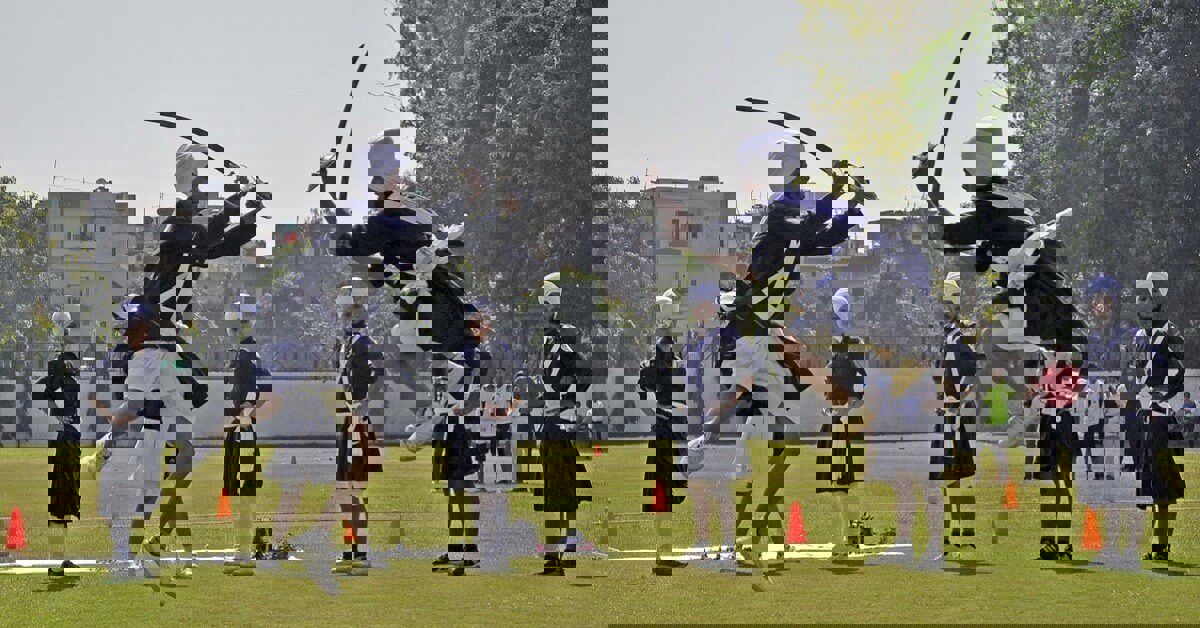
Gatka is the traditional Sikh martial art — a system of armed and unarmed combat developed by Sikh warriors over centuries of defending their communities against oppression. Gatka was formalized during the time of Guru Hargobind Ji, the sixth Sikh Guru, who introduced the concept of Miri Piri — the combination of spiritual and temporal strength — and encouraged Sikhs to train in military skills.

Gatka demonstrations are a spectacular feature of Sikh festivals, particularly Vaisakhi and Hola Mohalla. Practitioners perform with swords, sticks, shields, and other traditional weapons, demonstrating both combat skill and spiritual discipline. Gatka is practiced as both a martial art and a form of spiritual exercise — the movements are accompanied by Gurbani recitation, connecting physical discipline with devotion to God.

Langar — The Culture of Giving

Perhaps the most distinctive expression of Sikh culture is Langar — the free community kitchen that operates in every Gurdwara in the world, serving free meals to anyone who enters regardless of religion, caste, gender, or background. Langar was established by Guru Nanak Dev Ji and institutionalized by Guru Amar Das Ji as a central practice of Sikh community life.

The culture of giving that Langar represents permeates every aspect of Sikh community life. The principle of Seva — selfless service — is not merely a religious obligation but a cultural value that Sikhs carry into every area of their lives. Organizations like Khalsa Aid, United Sikhs, and Sikh Volunteers Australia are modern expressions of the ancient Sikh culture of giving — delivering food, medicine, and disaster relief to communities in need around the world, regardless of their faith.

Sikh Identity — The Five Ks & the Turban

The most visible expression of Sikh cultural identity is the wearing of the Five Ks (Panj Kakars) — particularly the Kesh (uncut hair) and the Dastar (turban). The turban is both a religious requirement for initiated Sikhs and a powerful cultural symbol of honour, dignity, and identity. Sikhs have worn the turban for over 500 years and have defended their right to do so in workplaces, schools, and courts around the world.

The Sikh turban comes in many styles and colors, with different regions and traditions having their own preferred styles. In the Punjab, the Patiala Shahi style is popular. In the UK, the Dumalla style is common among Nihang Sikhs. In the Western diaspora, many styles have evolved as Sikhs have adapted their dress to new environments while maintaining the essential practice of covering and honoring their Kesh.

A Culture Shaped by Faith

Sikh culture is not a set of traditions preserved in a museum — it is a living, breathing expression of a faith that has been tested by persecution, shaped by sacrifice, and carried across continents by a people who refused to let go of who they are. From the kirtan that fills the Gurdwara at dawn to the Langar that feeds strangers without question, from the turban tied each morning as an act of devotion to the Bhangra danced at harvest time with unrestrained joy — every thread of Sikh culture leads back to the same source: the teachings of the ten Gurus and the eternal light of the Guru Granth Sahib.

Bhangra

folk dance video
LOGO-DEFAULT-light-small